
 Post by
 Introduction
Electricity is one of the most essential discoveries in human history, revolutionizing industries, healthcare, communication, and daily life. From lighting our homes to powering advanced technologies, electricity has become the backbone of modern civilization.
What is Electricity?
Electricity is the flow of electrical charge, typically carried by electrons through conductors like wires. It is a form of energy resulting from the movement of charged particles, and it can be generated from various sources, including fossil fuels, renewable energy, and nuclear power.
How Electricity is Generated
Electricity is produced through multiple methods:
-
Fossil Fuels (Coal, Natural Gas, Oil) – Power plants burn these fuels to produce steam, which drives turbines connected to generators.
-
Renewable Energy (Solar, Wind, Hydro, Geothermal) – Solar panels convert sunlight, wind turbines harness wind energy, and hydroelectric plants use flowing water to generate electricity.
-
Nuclear Power – Nuclear reactors split atoms (nuclear fission) to release heat, producing steam that spins turbines.
-
Biomass & Waste-to-Energy – Organic materials are burned or converted into biogas to generate power.
Transmission and Distribution
Once generated, electricity travels through a complex grid:
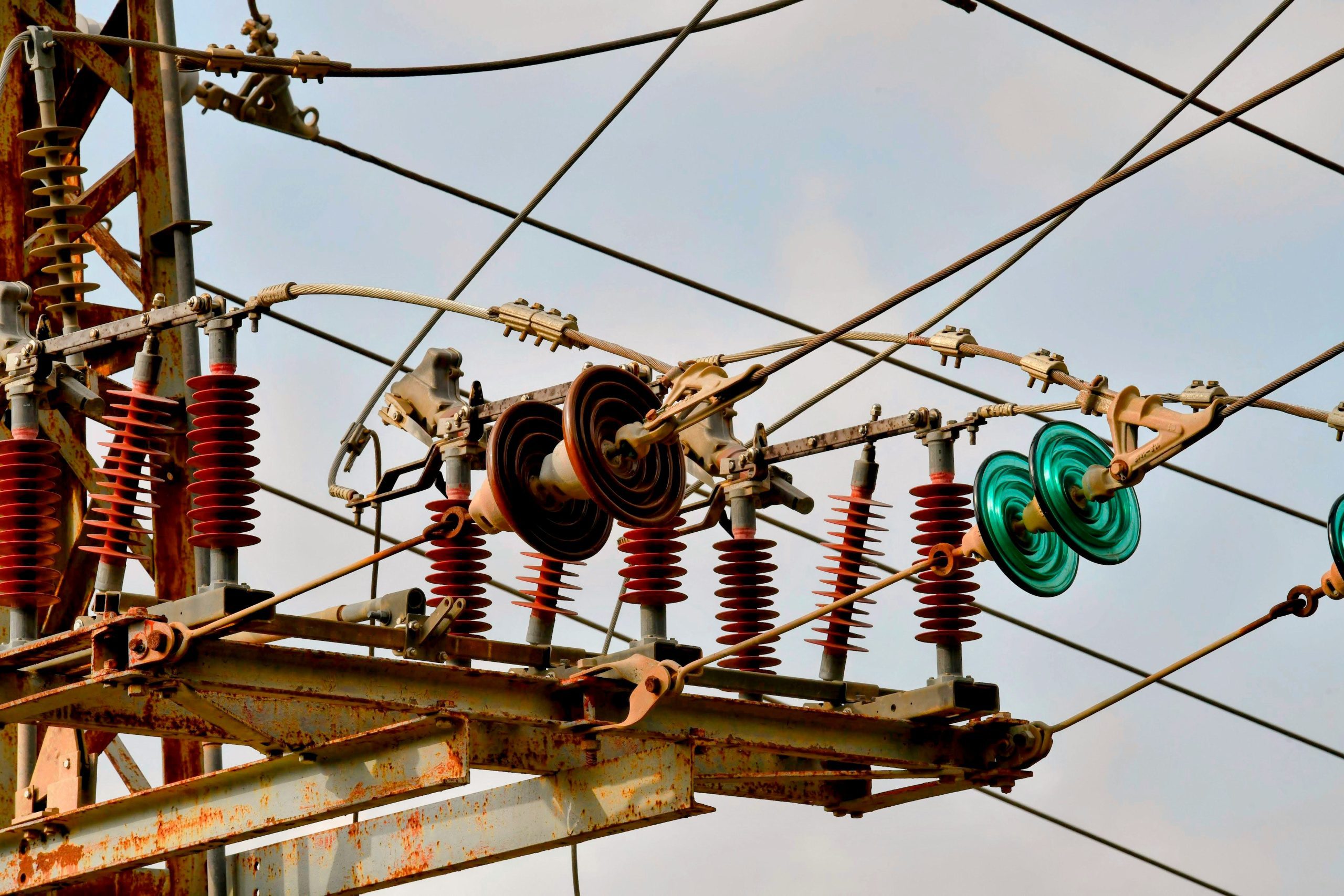
- High-voltage transmission lines carry electricity over long distances.
- Substations reduce voltage for safer distribution.
- Local power lines deliver electricity to homes, businesses, and industries.
Uses of Electricity
Electricity powers nearly every aspect of modern life:
- Lighting (LED bulbs, streetlights)
- Heating & Cooling (ACs, heaters)
- Transportation (Electric vehicles, trains)
- Communication (Internet, smartphones)
- Healthcare (Medical equipment, hospitals)
- Industry & Manufacturing (Machinery, robotics)
The Future of Electricity
As the world shifts toward sustainability, innovations in electricity generation and storage are advancing rapidly:
- Smart Grids – Digital technology optimizes electricity distribution.
- Energy Storage – Better batteries (like lithium-ion) store renewable energy.
- Green Energy Growth – Solar and wind power are becoming more efficient and affordable.
- Electric Vehicles (EVs) – Reducing reliance on fossil fuels in transportation.
Conclusion
Electricity is the lifeblood of the modern world, driving progress and improving quality of life. As technology evolves, cleaner and more efficient energy solutions will shape a sustainable future. Harnessing electricity responsibly ensures that we continue to thrive while protecting our planet.