
 Post by
 Introduction
Electricity powers our homes, businesses, and industries, but without proper maintenance, electrical systems can become hazardous and inefficient. Electrical maintenance services ensure that wiring, circuits, and electrical equipment function safely and reliably. Regular inspections and upkeep prevent failures, reduce energy waste, and minimize the risk of fires or electrical shocks.
What is Electrical Maintenance?
Electrical maintenance involves the systematic inspection, testing, cleaning, and repair of electrical systems to ensure they operate safely and efficiently. It includes:
-
Preventive Maintenance – Scheduled checks to avoid unexpected failures.
- Corrective Maintenance – Fixing issues after a breakdown occurs.
- Predictive Maintenance – Using advanced tools to detect potential problems before they escalate.
Key Electrical Maintenance Services
-
Wiring and Circuit Inspections – Checking for frayed wires, loose connections, and overloaded circuits.
-
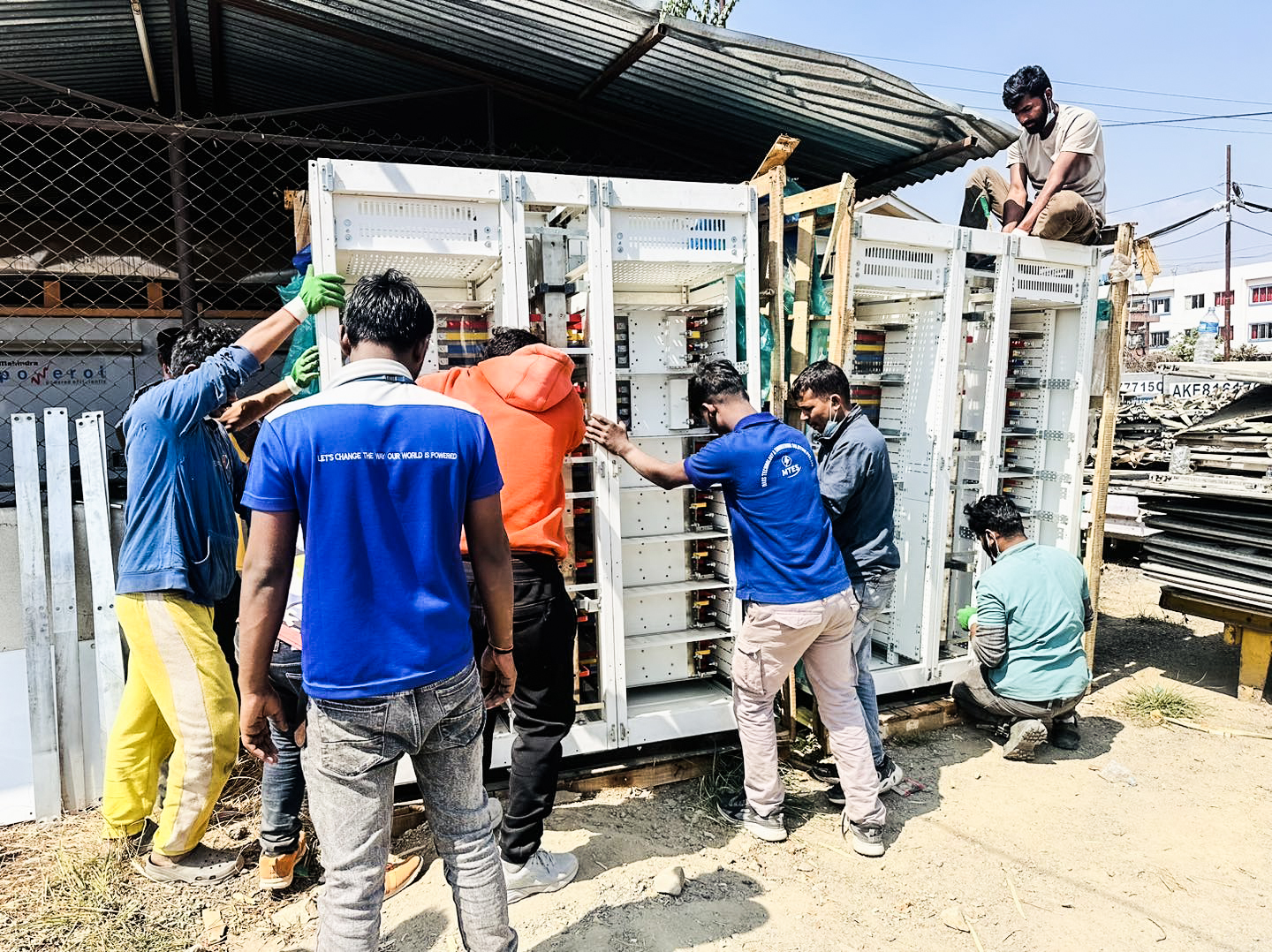
Panel and Breaker Maintenance – Ensuring electrical panels and circuit breakers function correctly to prevent short circuits.
-
Lighting System Checks – Testing bulbs, fixtures, and switches for optimal performance.
-
Generator and UPS Testing – Verifying backup power systems for emergencies.
-
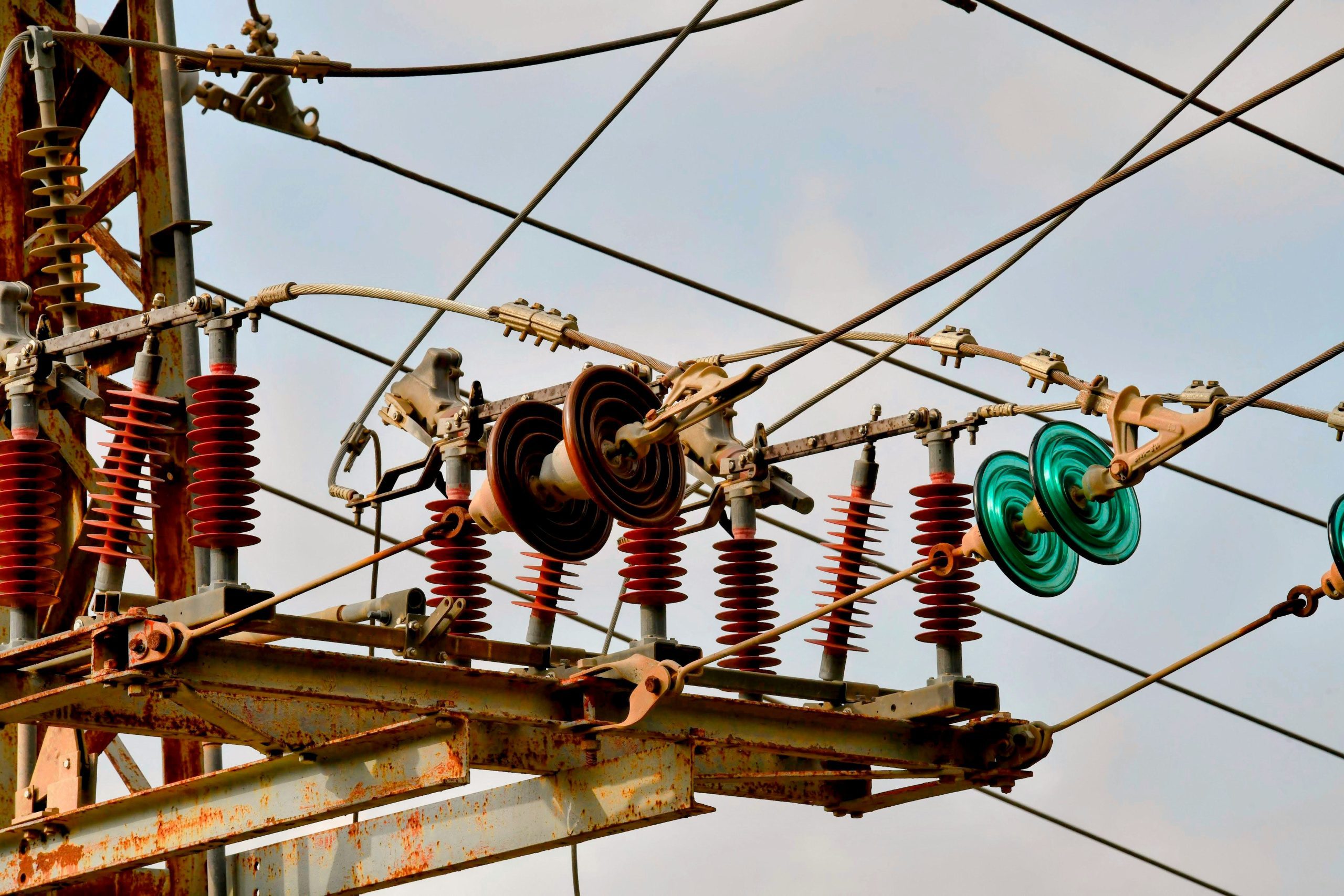
Grounding and Surge Protection – Preventing electrical surges that can damage appliances.
-
Thermal Imaging & Load Testing – Detecting overheating components before they fail.
Benefits of Regular Electrical Maintenance
- Enhanced Safety – Reduces the risk of electrical fires and shocks.
- Lower Energy Costs – Improves efficiency, reducing wasted electricity.
- Extended Equipment Lifespan – Prevents premature wear and tear.
- Compliance with Regulations – Ensures adherence to electrical safety standards.
- Minimized Downtime – Avoids unexpected power outages in businesses.
When Should You Schedule Electrical Maintenance?
- For Homes: At least once every 2-3 years, or when flickering lights or tripping breakers occur.
- For Businesses/Industries: Quarterly or bi-annual checks, especially for high-load environments.
- After Major Events: Following storms, floods, or electrical surges.
Conclusion
Electrical maintenance is a crucial investment for safety, efficiency, and cost savings. Whether for residential, commercial, or industrial needs, professional maintenance services help prevent hazards and ensure uninterrupted power. Don’t wait for an emergency—schedule regular electrical maintenance to keep your systems running smoothly.